
"Hepatitis: Understanding the Types, Causes, Symptoms, Prevention, and Treatment"

 The word "hepatitis" refers to inflammation of the liver and affects millions of individuals worldwide. With an emphasis on the varieties of hepatitis—Hepatitis A, B, C, D, E, and F—as well as their definitions, causes, symptoms, precautions, and therapies, this blog article seeks to give a thorough review of the disease.

1. Overview of Hepatitis:

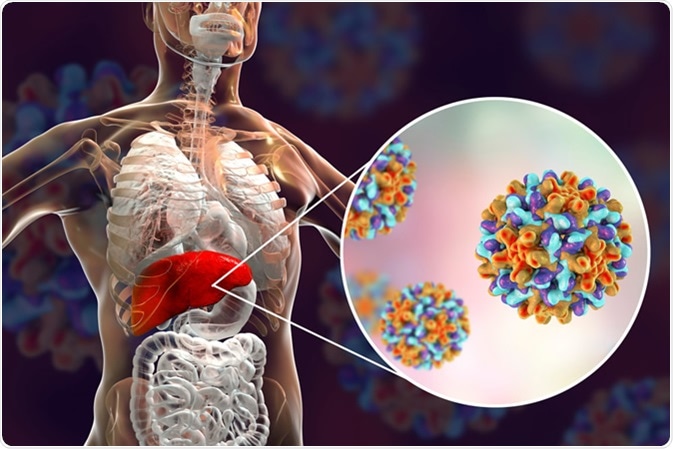
Inflammation of the liver, an essential organ for metabolism, detoxification, and nutrition storage, is a hallmark of hepatitis. Toxins, autoimmune disorders, and viral infections are possible causes of the illness.


2. Hepatitis Types:

Hepatitis comes in various forms, each brought on by a unique virus. The principal ones consist of:

Hepatitis A (HAV): 

A viral infection that can fluctuate in severity, hepatitis A is frequently spread by tainted food or water.to extreme. Vaccination and good hygiene practices are good preventive measures.

Hepatitis B (HBV): 

Spread by contaminated blood, intercourse, or mother-to-child transmission during childbirth, HBV can become chronic and cause serious liver damage. One important protective measure is vaccination.

Hepatitis C virus (HCV): 

Mostly transmitted by blood transfusions, HCV can develop into a chronic condition that impairs liver function over time. Antiviral drugs and early identification are essential for treatment.

Hepatitis D (HDV):

Only those who have already contracted hepatitis B are susceptible to this kind of hepatitis. The severity of Hepatitis B may worsen due to HDV. Hepatitis B vaccination aids in the prevention of HDV.

Hepatitis E (HEV): 

Usually contracted in developing nations, hepatitis E is spread by tainted water. It is usually a self-limiting infection, but in pregnant women, itcan be rather serious. Sanitation improvements are a preventive action.

Hepatitis F (HFV):

Although the existence and characteristics of this putative and contentious kind of the disease are still unknown, it has been hypothesized.

3. Hepatitis Causes:

Hepatitis is mostly caused by viral infections (Hepatitis A to E), alcoholism, poisons, certain drugs, and autoimmune disorders. For management and treatment to be effective, the cause must be understood.

4. Hepatitis symptoms:

All forms of hepatitis share common symptoms such as nausea, jaundice (yellowing of the skin and eyes), abdominal discomfort, and black urine. The degree and expression of symptoms, however, can differ.

5. Preventive Techniques:

A combination of vaccination, good cleanliness, staying away from contaminated food and drink, and using safe sexual practices can prevent hepatitis. Immunization, particularly against Hepatitis A and B, is essential to prevention.

6. Options for Treatment:

The kind and intensity of the illness determine the course of treatment for hepatitis. It may be advised to adopt new lifestyle habits, take antiviral drugs, or, in extreme circumstances, have a liver transplant.

To sum up, hepatitis is a broad category of viral illnesses that have a big influence on the world. Comprehending the many kinds, origins, indications, protective measures, and accessible remedies is essential for raising public health consciousness as well as personal wellbeing. Hepatitis can be effectively managed and controlled by implementing healthy practices, vaccines, and routine testing.


Also watch:


Comments

Popular posts

"Decoding Atherosclerosis: Unveiling Causes, Symptoms, Prevention, and Treatment"

  Introduction: Millions of people's health are discreetly threatened by atherosclerosis, a common cardiovascular disease. In order to demystify atherosclerosis, this blog post will provide information on its definition, causes, symptoms, preventive measures, and potential therapies. Together, we will explore this intricate illness and learn how to protect cardiovascular health. Definition: The buildup of fatty deposits, cholesterol, and other materials on the inside of artery walls is known as atherosclerosis, a chronic illness. These deposits, referred to as plaques, cause the arteries to harden and narrow with time, obstructing blood flow and possibly resulting in serious health issues. Causes: 1. Build-Up of Cholesterol: High LDL (low-density lipoprotein) cholesterol levels are linked to the development of plaque. 2. Inflammation: Atherosclerosis can be initiated and worsened by persistent inflammation inside artery walls. 3. High Blood Pressure: High blood pressure increases ...

"Understanding Arthritis: Causes, Symptoms, Types, and Treatment Options"

  Introduction: Millions of individuals worldwide suffer from arthritis, a common yet sometimes misdiagnosed illness. It refers to joint inflammation, which causes discomfort, stiffness, and edoema. We will examine the definition, causes, symptoms, and different kinds of arthritis in this blog post, along with the potential treatments. Definition: The word "arthritis" is wide and covers more than 100 distinct joint illnesses that are characterised by inflammation. Osteoarthritis is the most common type, with rheumatoid arthritis, gout, and juvenile idiopathic arthritis following closely behind. People of different ages, genders, and origins might be impacted by this illness. Causes: For arthritis to be effectively managed, it is essential to comprehend its causes. Arthritis develops as a result of several factors, such as: Genetics: An increased chance of developing arthritis is associated with a family history of the ailment. Age: As joint wear and tear accumulates over t...

"Unveiling Arteriosclerosis: Understanding Causes, Symptoms, Prevention, and Treatment"

Introduction: Millions of people worldwide suffer from the common cardiovascular disease arteriosclerosis, which poses a serious risk to their health. The goal of this blog article is to clarify the nuances around arteriosclerosis by illuminating its definition, causes, symptoms, methods for prevention, and accessible therapies. Let's explore the nuances of this vascular illness in order to raise awareness and improve cardiovascular health. Definition: A collection of illnesses known as arteriosclerosis are distinguished by the hardening, thickness, and lack of flexibility of the artery walls. Heart attacks and strokes, two more catastrophic cardiovascular catastrophes, are frequently preceded by this condition. The word refers to a group of subtypes, the most prevalent of which is atherosclerosis. Causes: 1. Atherosclerosis: The accumulation of plaque inside artery walls is the main cause of arteriosclerosis, or atherosclerosis. This plaque, which is made up of calcium, fat, chol...